How apprenticeships help construction and mining companies build a reliable, job ready workforce
It’s National Apprenticeship Week (April 28–May 1), making it an ideal time for employers, educators, and career seekers to explore how apprenticeships can help them achieve their goals and build tomorrow’s workforce. But first, let’s review the history of apprenticeships in the United States.
Apprenticeships have long been an essential part of workforce development in North America. In 1911, Wisconsin enacted the first law establishing a regulated apprenticeship system that required apprentices to receive technical instruction while they worked. The Fitzgerald Act of 1937 later established the modern federal system, setting national standards for training, safety and wages.
Over the past several years, apprenticeships have made a comeback as workers and employers seek practical, sustainable ways to build skills. However, despite this resurgence, many still lack a clear understanding of what apprenticeships are and how they work.
Who Apprenticeships Benefit and How They Work
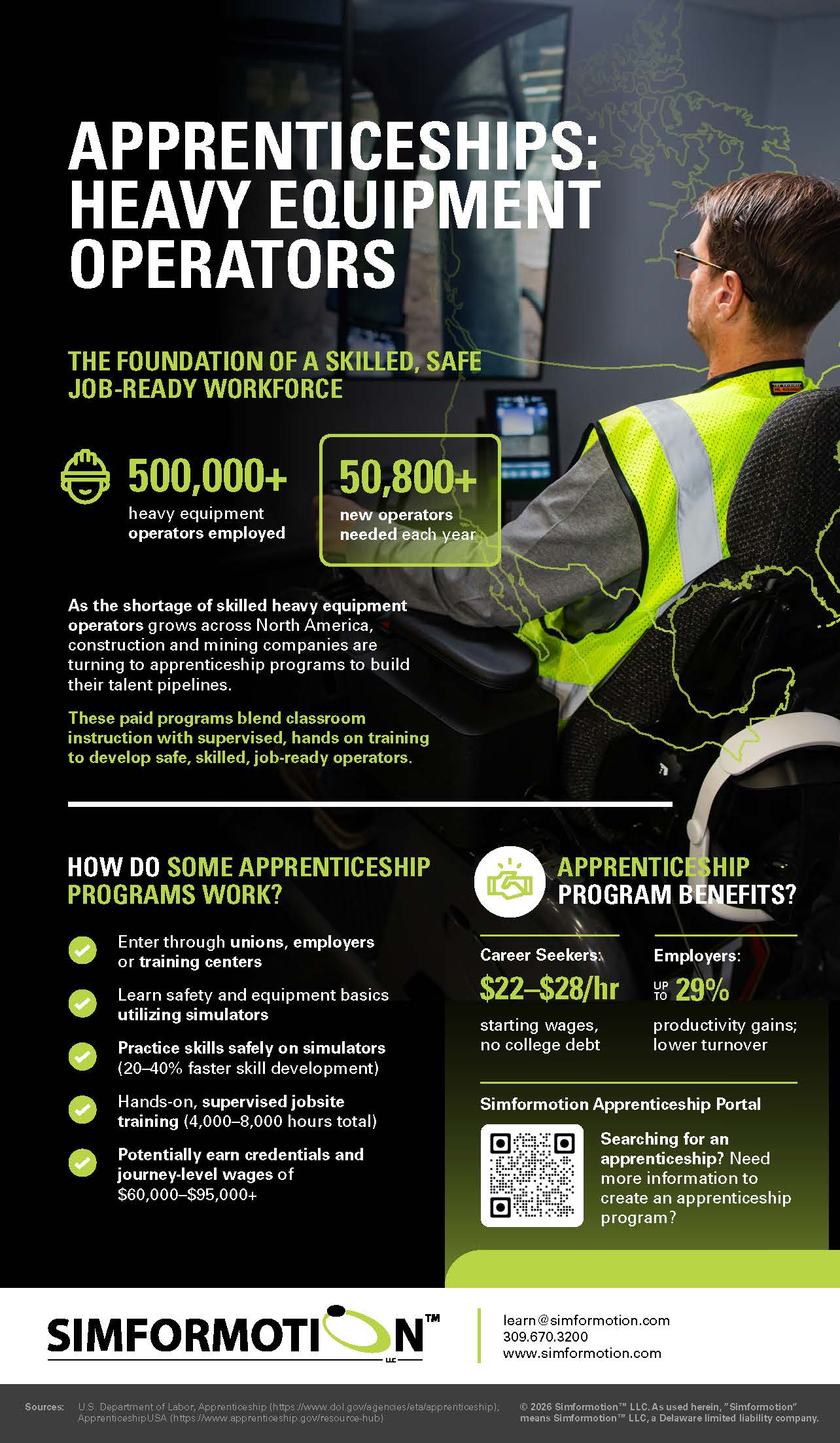
Today’s apprenticeships attract a wide range of participants, including recent graduates, midcareer professionals, veterans, career changers, and college-educated workers seeking hands-on experience. While apprenticeships support many industries, they are especially important in construction, where employers continue to face shortages of qualified heavy equipment operators.
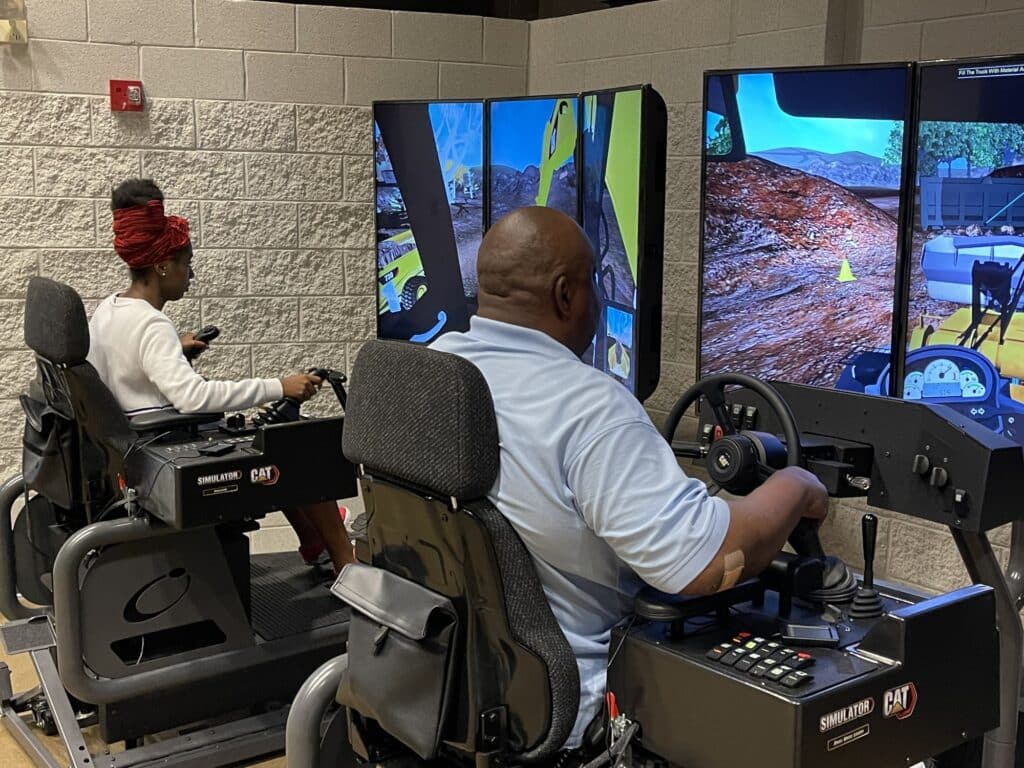
Many employers are now creating apprenticeship programs that include simulation-based heavy equipment training using systems like Cat® Simulators, which provide a safe, structured way to build real-world operating skills before stepping onto an active jobsite, ensuring the industry gains confident, job-ready talent.
At their core, apprenticeships combine paid work with structured learning. They work under experienced mentors and follow a structured plan that can lead to an industry-recognized credential. Unlike internships, apprenticeships are long-term commitments that combine learning with real responsibilities.
For job seekers, apprenticeships offer several clear advantages, including earning wages from day one and developing skills and credentials. This model reduces or eliminates student debt and helps individuals gain experience. Apprenticeships are especially beneficial for hands-on learners or those who need a direct connection between education and employment.
Employers benefit just as much. Apprenticeships allow companies to tailor talent to their specific operational needs, improve retention, and build a dependable pipeline of skilled workers. Research consistently shows that apprentices are more likely to stay with their employers long term because their training closely aligns with company culture and expectations.
As industries such as construction face skilled labor shortages and changing demands, apprenticeship programs offer a reliable, forward-looking strategy for building a strong, resilient workforce.
Looking for an Apprenticeship or Exploring How to Start One?
The Simformotion Apprenticeship Portal helps job seekers and employers find programs, understand training expectations, and see how simulation-based learning supports skill development. It also provides companies with practical guidance on designing, launching, and sustaining apprenticeship programs while connecting them with emerging talent. To learn more about becoming an apprentice or starting an apprenticeship program, visit the Simformotion Apprenticeship Portal.