How simulation-based training develops skills and prepares job-ready operators
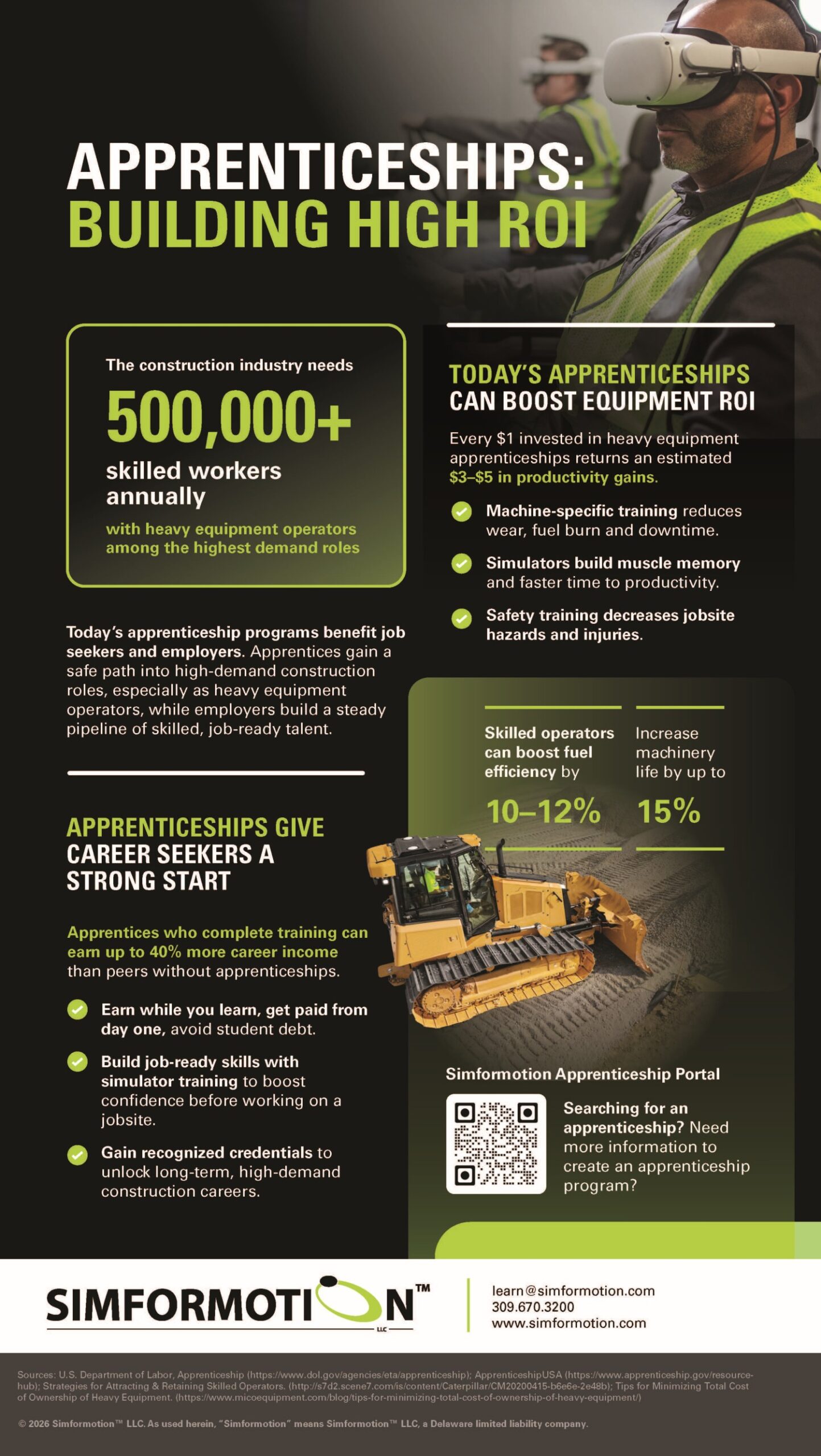
Apprenticeships are resurging across North America as industries search for sustainable ways to build skilled talent. The construction industry alone needs more than 500,000 skilled workers every year, and heavy equipment operators remain among the highest-demand roles. As employers face rising workforce shortages, apprenticeships offer a proven pathway to develop job-ready talent.
A major shift is underway toward competency-based education, where apprentices advance by demonstrating competence rather than by meeting a set number of hours. Individuals now pursue apprenticeships not only to enter the field but also to reskill and upgrade their skills as machinery becomes more technologically advanced.
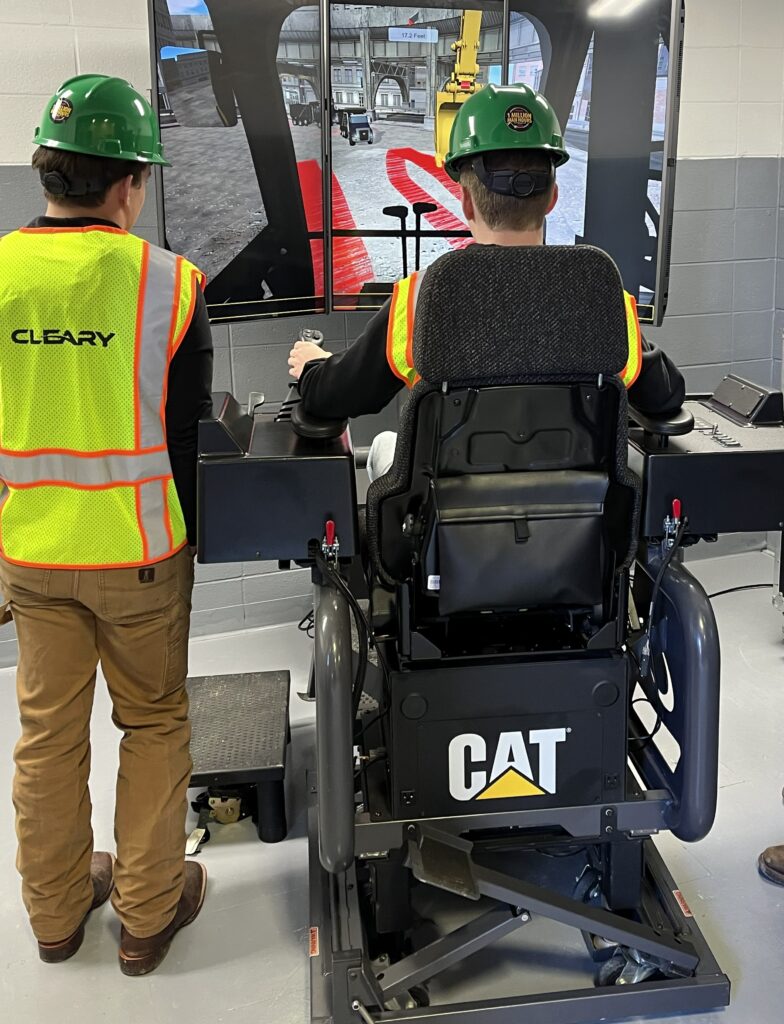
Simulation-based training, such as Cat® Simulators, has become a key part of this. The simulators provide a safe, consistent, and accessible environment for learners to develop and perfect skills at any career stage. Many programs now use simulators to train and assess competence, enabling apprentices to advance based on demonstrated skills rather than on time alone.
Strengthening the Apprenticeship System Through Partnerships
Partnerships are driving the expansion of modern apprenticeship programs. Employers, community colleges, workforce boards, unions and government agencies are collaborating to design training that reflects real industry needs and prepares workers for today’s jobsites.
Across North America, apprenticeships are positioned for continued growth. They help employers develop the skilled talent they need, provide career seekers with clear pathways into rewarding jobs, and strengthen communities through long-term economic opportunity. Apprenticeships are more than a training method. They are a strategic investment in people, industry and the future of work.
How Today’s Apprenticeships Boost Equipment ROI
Modern apprenticeships do more than build talent. They strengthen equipment performance and productivity.
- Every $1 invested in a heavy equipment apprenticeship returns an estimated $3 to $5 in productivity gains.
- Skilled operators can improve fuel efficiency by 10 to 12 percent.
- Properly trained operators can extend machinery life by up to 15 percent.
By integrating simulation-based training into apprenticeship programs, employers reduce equipment misuse, minimize downtime and speed up the path to productivity. Workforce development has now become a measurable driver of ROI.
How Today’s Apprenticeships Boost Equipment ROI
The Simformotion Apprenticeship Portal serves as a practical resource for both employers and career seekers.
- For employers: The portal provides step-by-step guidance on designing apprenticeship programs, defining competencies, structuring on-the-job training and integrating simulation-based learning with Cat Simulators to strengthen ROI and workforce readiness.
- For career seekers: The portal offers clear information on apprenticeship pathways, training expectations and the skills required to succeed in heavy equipment careers. It helps individuals enter a high-demand field with confidence.
By supporting both sides of the workforce pipeline, the portal strengthens connections, clarifies pathways and expands opportunities across the apprenticeship system.